Web APp
An intuitive platform that simplifies building data connections.
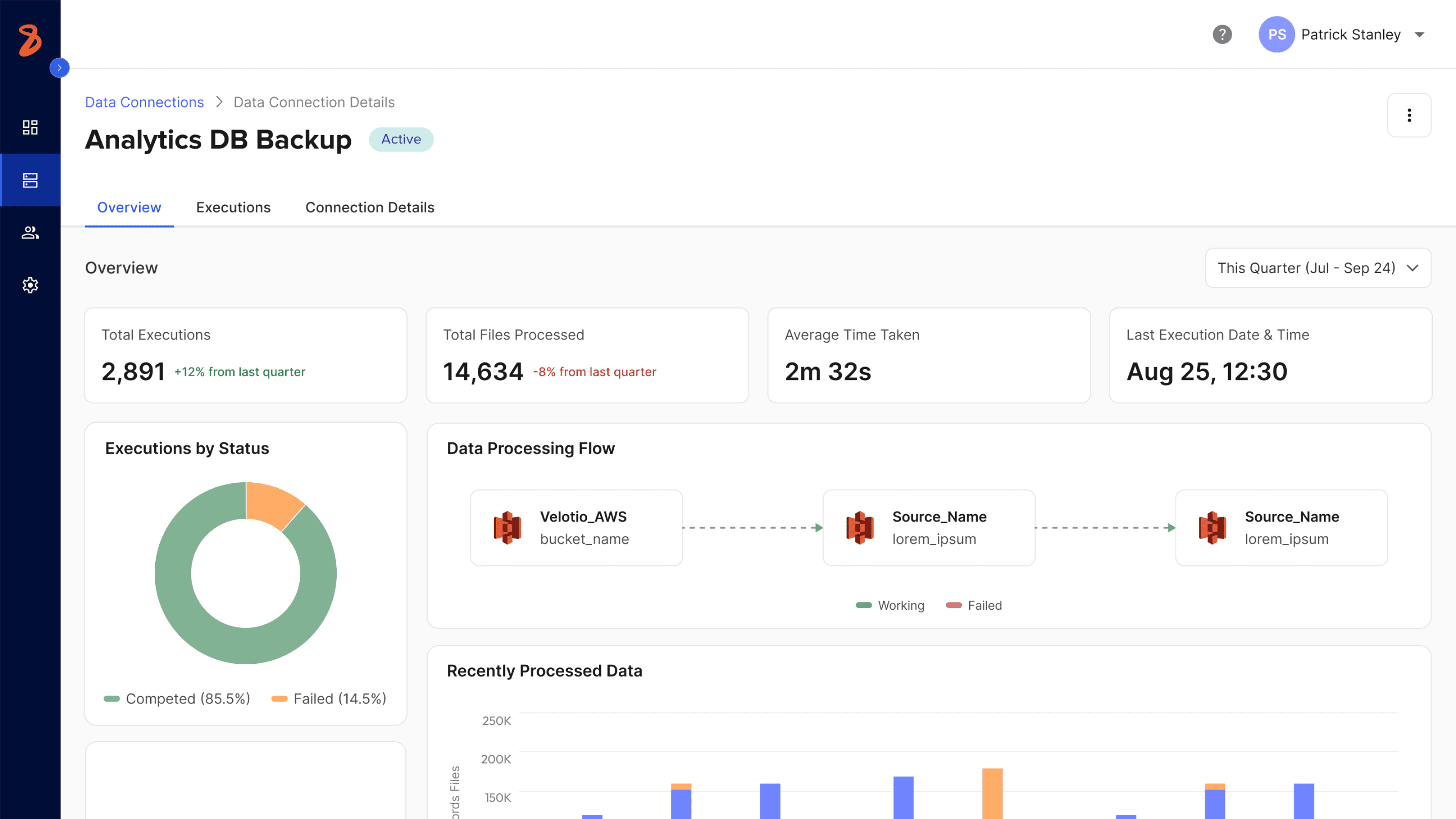

A user-centric platform designed to simplify data connection layer creation, focusing on intuitive workflows, seamless integration, and an optimized user experience for data engineers.
Timeline
From explorations to final designs in 15 weeks while working with multiple projects at the same time
Background
The project aims to address these pain points by designing a user-friendly platform that prioritizes simplicity, efficiency, and clarity. Through intuitive navigation, responsive layouts, and thoughtful interaction design, the platform empowers users to focus on their core tasks while minimizing cognitive load and reducing errors. The goal is to create a seamless experience that aligns with the engineers’ needs and enhances their productivity.
The process for DataBridge includes research to understand user needs, wireframes to define structure, and high-fidelity designs for an intuitive interface. Prototypes are tested for usability, and developer-ready files ensure a smooth implementation.
Research & Planning
Conducted in-depth analysis to understand user needs, pain points, and project objectives. Developed a clear strategy and roadmap to guide the design process effectively.
Design & Prototyping
Created intuitive wireframes and high-fidelity prototypes to visualize the user journey and interactions. Focused on usability and aesthetics to ensure a seamless experience.
Implementation
Collaborated closely with developers to transform designs into functional, responsive interfaces. Provided detailed design specifications and ongoing support during development.
Testing & Optimization
Conducted usability testing to gather feedback and identify areas for improvement. Optimized designs based on insights to enhance performance and user satisfaction.
Our solution centralizes data with an integrated data layer, ensures seamless transfer through intuitive field mapping, and offers real-time execution tracking. It also provides secure, role-based credential management to protect sensitive information and ensure compliance.
Create Data Layer
Build a centralized data layer that seamlessly integrates data from multiple sources, ensuring uniformity and easy accessibility. This layer serves as the backbone for all data-related operations, enabling consistent data storage and retrieval across various applications.
Manage Credentials
Introduce a secure credential management system that allows users to store and control access to sensitive data resources. This system provides role-based access, ensuring that only authorized users can manage or view confidential credentials, enhancing data security and compliance.
Map Data Fields
Implement an intuitive data mapping interface that allows users to easily link source data fields to target fields. This ensures data is transferred accurately between systems and eliminates mismatched or missing data, streamlining data synchronization and reporting.
Data Summery
Provide a real-time execution dashboard that visualizes the flow of data and the success or failure of operations. This feature helps users track data processing activities, monitor performance, and quickly identify issues, ensuring smooth data operations.


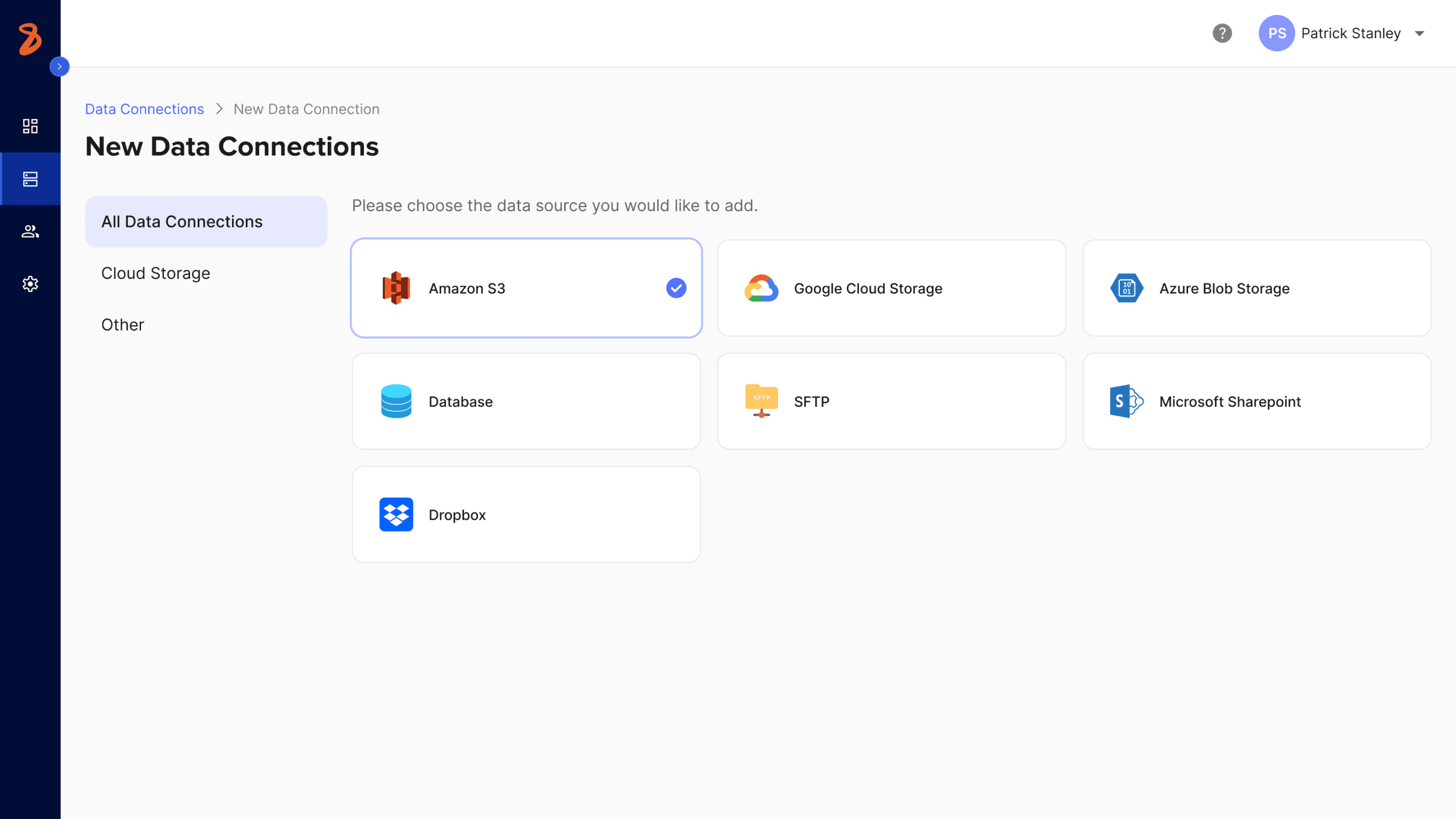
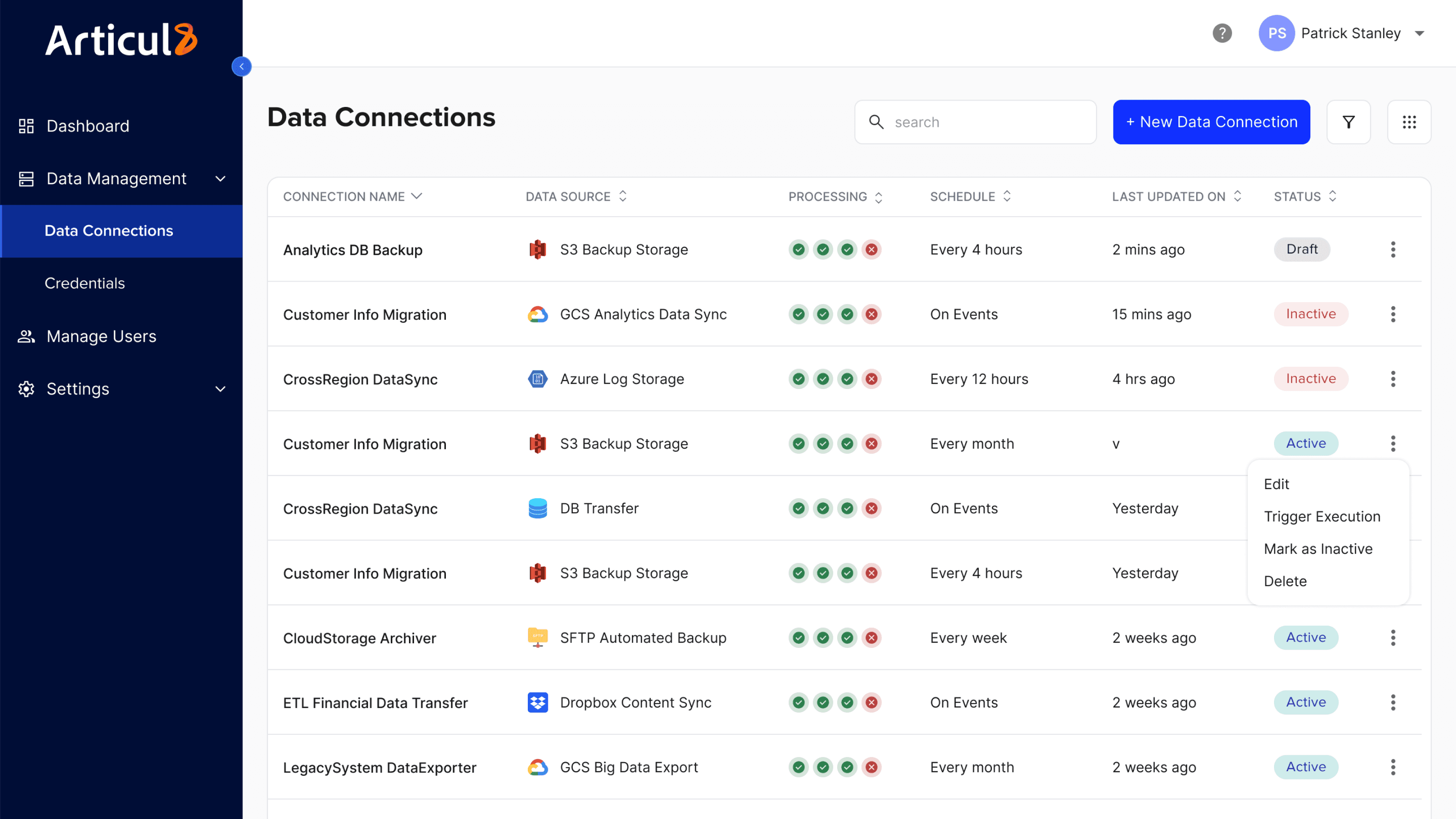
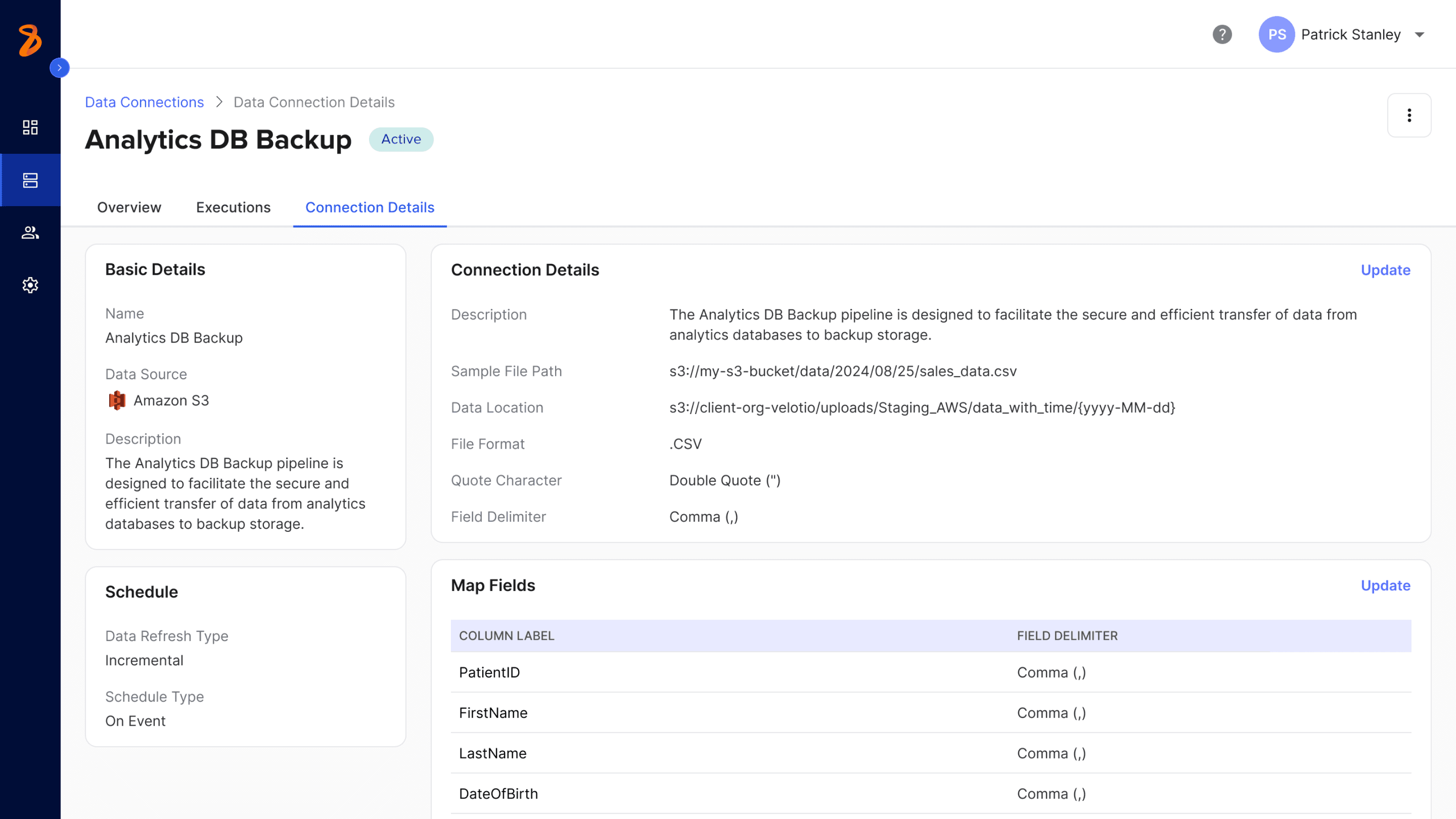
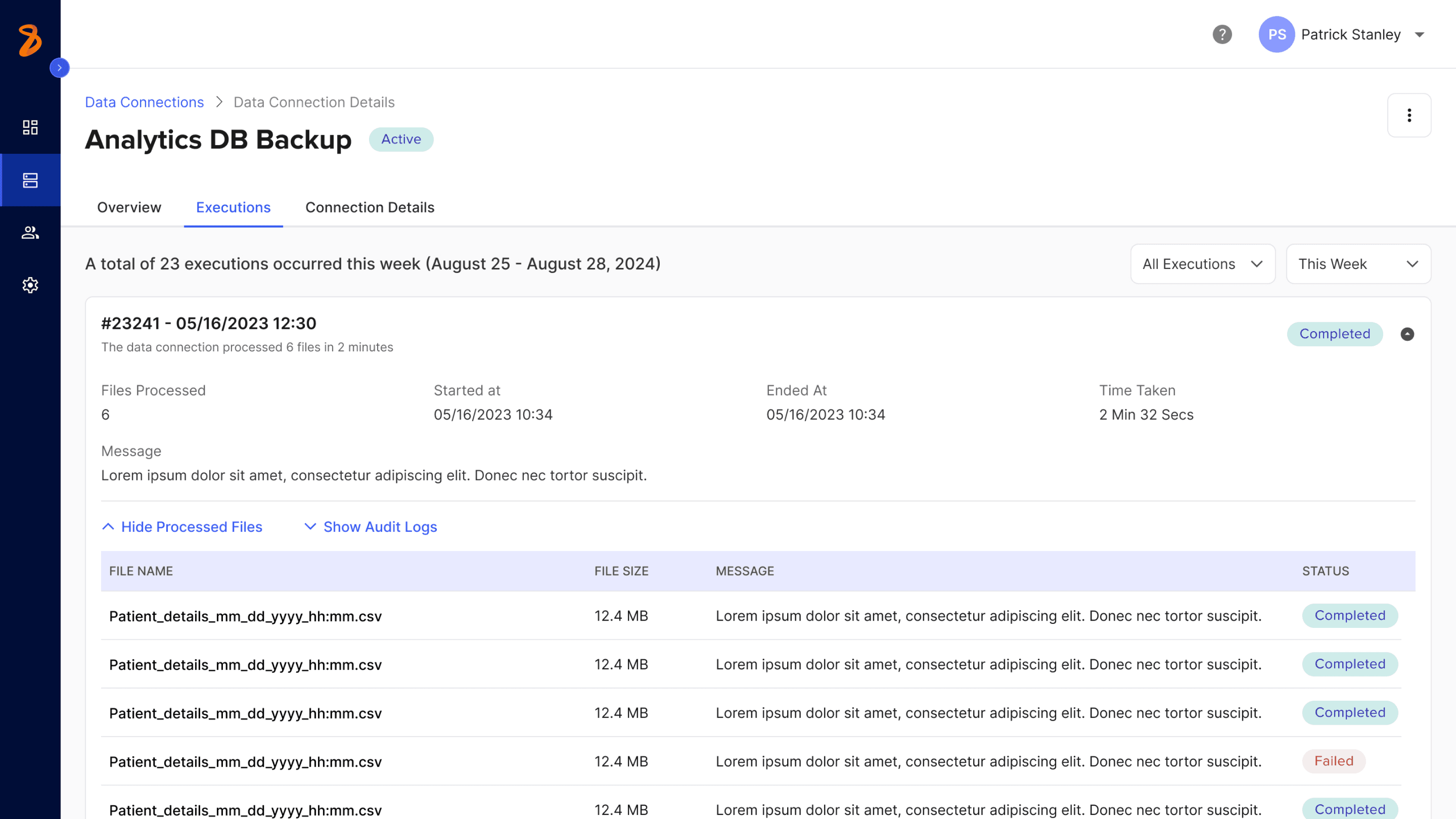
The project successfully enhanced user engagement, streamlined workflows, and improved overall efficiency, resulting in a positive impact on user satisfaction and business outcomes.
Improved Data Accuracy
Users experience more accurate and reliable data transfers due to seamless mapping and integration, reducing errors and mismatched data.
Enhanced Operational Efficiency
Real-time tracking and centralized data management streamline workflows, allowing users to monitor and optimize data processes, saving time and resources.
Increased Security and Compliance
Role-based credential management ensures that sensitive information is protected, minimizing the risk of unauthorized access and helping maintain compliance with data security regulations.
Better Decision-Making
With clear visibility into data execution and a robust data layer, users can make more informed decisions based on accurate, up-to-date insights.
Revenue Growth through Data Efficiency
By optimizing data flow and reducing errors, the app enhances operational efficiency, leading to cost savings and ultimately contributing to higher profit margins.